Rules · Tip
Ball Not Found, but You Know It's in the Penalty Area
Part of our rules programs. Build a program with it
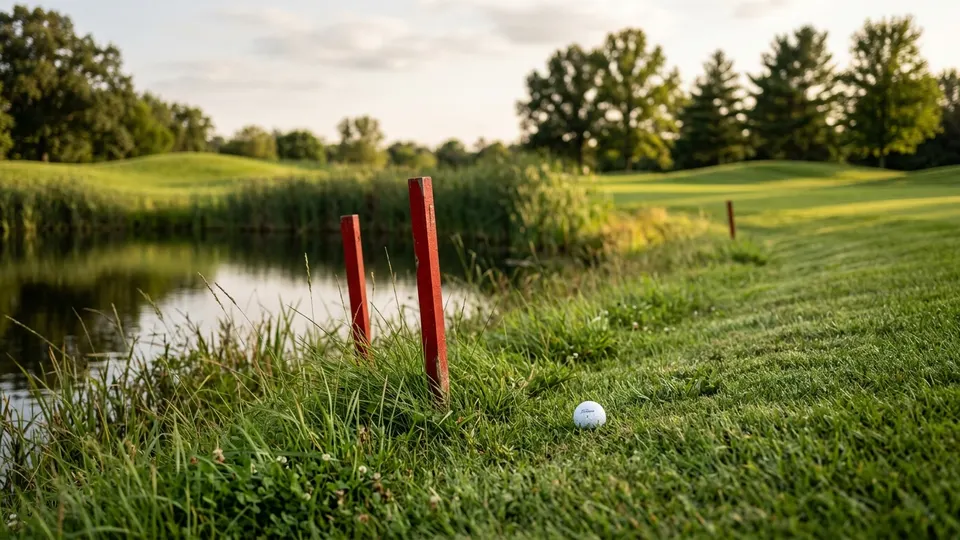
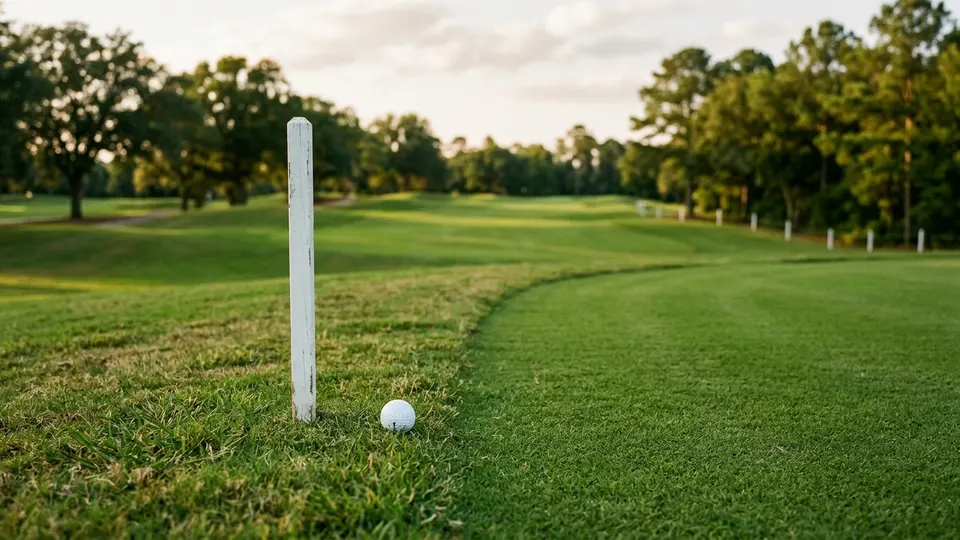
You can't find your ball, but you're sure it went into a penalty area. Under Rule 17.1c, if it's known or virtually certain the ball is in there, you can take penalty-area relief for one stroke. Estimate where it last crossed the edge. Then choose. Go back to where you last played. Or drop on a line straight back from the hole through that point. If the area is red, you can also drop within two club-lengths of that point, not closer to the hole. If it's not certain, the ball is just lost. That means stroke and distance.
Step by step
- Is it known or virtually certain?
- Estimate where it crossed the edge.
- Choose stroke and distance or back on the line.
- Red area: two club-lengths to the side.
- Not certain? Lost ball, stroke and distance.
Why it works
Penalty-area relief is only allowed when you know, or are virtually certain, the ball is in the area. That standard stops you from claiming relief for a ball that may simply be lost in rough or trees. The reference point is where the ball last crossed the edge, because that is the closest fair estimate of where the ball came to rest.
Common mistakes
- You treat a ball you merely suspect is in the penalty area as certain.Ask whether there is clear evidence, such as a splash or a ball seen going in; if the answer is only a guess, play stroke and distance.
- You pick the point where you saw the ball land or where you think it stopped, not where it last crossed the edge.Trace the flight and roll back to the last spot where the ball crossed the margin, and use that point.
- You use the two club-length option on a yellow area.Only use the two club-length side relief when the area is red; for yellow, take stroke and distance or drop back on the line.
How you'll know it's working
- You can state the reason the ball is in the area, such as seeing it cross the edge or hearing a splash, before you take relief.
- Your drop is on the straight line from the hole through your reference point, or within two club-lengths of it for a red area, and is not closer to the hole.
- You add one penalty stroke and can say your score for the hole correctly before you play on.
Make it easier or harder
Easier: Practice with a playing partner who watches the ball and confirms where it crossed the edge before you choose an option.
Harder: Practice from a spot where the edge is hard to see, such as a curved margin, and mark your estimated crossing point with a tee before you choose.
Common questions
What if I can't find my ball but think it went in the water?
You need it to be known or virtually certain that it is in the penalty area. If you only think it might be, the ball is lost, and you play stroke and distance.
How many penalty strokes do I take for a ball in a penalty area?
You take one penalty stroke when you use any penalty-area relief option. A lost ball that is not known to be in the area also costs one stroke, plus you replay from where you last played.